A complete guide for Jewish families in the UK on Brit Milah, private medical circumcision, what to expect, and how to book a specialist appointment.


A complete guide for Jewish families in the UK on Brit Milah, private medical circumcision, what to expect, and how to book a specialist appointment.
May 26, 2026
November 18, 2026

If you are a Jewish family in the UK, the decision to arrange a Brit Milah (ritual circumcision) for your newborn son carries profound religious, cultural, and personal weight. Yet many families also have practical questions about what happens medically, whether the procedure is safe, and how to choose a qualified clinical provider if they want the reassurance of doctor-led care alongside the traditional ceremony.
This guide covers what Brit Milah involves, the role of the mohel, when and why families choose private medical circumcision in addition to or instead of a traditional ceremony, and what to look for in a UK circumcision clinic.
This article is for informational purposes only and does not constitute medical advice. Please speak with a qualified clinician about your son’s individual needs.
Brit Milah (literally “covenant of circumcision” in Hebrew) is one of the oldest and most significant commandments in Jewish law. It marks the covenant made between God and Abraham, as described in Genesis 17, and is observed by Jewish families across Orthodox, Conservative, Reform, and Liberal communities throughout the UK.
The ceremony traditionally takes place on the eighth day after birth, even if that day falls on Shabbat or a Jewish festival. It is conducted by a mohel: a person trained specifically in the religious and technical requirements of the procedure. In the UK, mohelim may be rabbis, doctors, or trained laypeople, and their level of formal medical qualification varies.
The procedure itself involves the surgical removal of the foreskin (prepuce) under carefully controlled conditions. When performed by a skilled and experienced practitioner, it is typically straightforward. Complications are uncommon, though they can include minor bleeding or local infection.1
A Brit Milah is both a religious ceremony and a community celebration. The key roles and elements typically include:
The timing, location, and size of the gathering vary widely. Some families hold Brit Milah at home, others at a synagogue, and others in a private medical setting. For families who want a clinically supervised environment, combining the ceremony with a procedure carried out in a registered clinic is an increasingly popular option.
In the UK, there is no statutory licensing requirement for mohelim. The main religious bodies, including the Office of the Chief Rabbi (for Orthodox communities) and the Movement for Reform Judaism, maintain registers of approved mohelim and provide training programmes. Families are encouraged to use a mohel listed with a recognised religious authority.
Some mohelim are also qualified doctors or surgeons, which gives families added clinical confidence. However, not all are medically trained. This is one reason why some families choose to involve a private medical circumcision clinic: to ensure the procedure is performed in a registered, regulated clinical environment, even when the religious ceremony takes place separately.
If you are unsure about your mohel’s qualifications or experience, it is entirely reasonable to ask directly. A confident, reputable practitioner will be happy to share their training background and the number of procedures they have performed.
Private medical circumcision and Brit Milah are not mutually exclusive. Many Jewish families choose to have both: the religious ceremony, conducted by a mohel, and a separately arranged procedure at a private clinic where a GMC-registered doctor performs the circumcision under full clinical protocols.
Others, particularly families where there is no suitable mohel available locally or where a parent has concerns about the clinical standards of a non-medical ceremony, choose to use a private clinic as their primary arrangement. This is a personal and religious decision, and a reputable clinic will treat it with complete respect.
Families who seek a CQC-registered clinic for Jewish circumcision in the UK typically do so for one or more of the following reasons:
The NHS does not routinely fund circumcision for religious or cultural reasons. NHS funding is available only when there is a clear medical indication, such as phimosis (a tight foreskin that causes urinary obstruction or repeated infection) or recurrent balanitis (inflammation of the head of the penis).2 NHS referrals for elective paediatric procedures typically involve a waiting period.
For Jewish families seeking circumcision in the first days or weeks of life (as required by Brit Milah), private medical circumcision is the practical route. Costs vary by clinic and age of the baby. As an illustrative guide, private newborn circumcision in the UK typically ranges from around £200 for babies under two months to over £1,000 for older infants and toddlers, reflecting the increased complexity at later ages.
Every reputable private circumcision clinic will follow a structured process designed to keep both baby and family as calm and informed as possible. Here is what a typical appointment looks like:
You will typically receive written preparation instructions in advance. For a newborn, these may cover feeding times, how to dress your baby, and what documentation to bring. In most cases, no GP referral is needed.
On arrival, the doctor will conduct a brief consultation, review the baby’s health, confirm there are no contraindications, and answer any questions you have before anything is booked or begun. Consent will be taken formally at this stage.
Gentle Procedures UK is a CQC-registered, doctor-led specialist circumcision clinic based in Birmingham. We offer private newborn circumcision using the Pollock Technique, a modern, evidence-based approach that uses a multimodal anaesthetic protocol and avoids the need for stitches.
For newborns, the procedure itself is brief. Using a modern technique, the actual circumcision typically takes approximately 60 seconds for babies under two months.3 A multimodal comfort protocol is applied beforehand, which may include topical anaesthetic cream, a local nerve block, and oral sucrose solution to help the baby remain calm.
No general anaesthetic is required. The procedure is performed under local anaesthesia. Parents are usually able to stay in the room and hold their baby throughout, which can be reassuring for both parents and baby.
You will receive clear written aftercare instructions before leaving the clinic. Most newborns recover quickly. Mild swelling and discolouration are normal in the first few days, and a small yellow-tinged crust may form at the healing site: this is normal healing tissue, not a sign of infection. Most babies are back to their usual feeding and sleeping patterns within 24 to 48 hours.
A good clinic will provide direct access to the clinical team if you have any concerns during recovery, and will schedule a follow-up check if needed. You should contact the clinic or your GP promptly if you notice persistent bleeding, signs of infection (unusual redness, swelling, or discharge), or if your baby appears to be in significant or sustained distress.
Neonatal circumcision is one of the most widely performed minor surgical procedures in the world. When performed by a trained practitioner using appropriate techniques and anaesthesia, it carries a low complication rate.4 A 2020 systematic review published in the Journal of Urology reported a major complication rate of fewer than 1 in 200 neonatal circumcisions performed in clinical settings.5
The Royal College of Surgeons of England has published guidance acknowledging that circumcision is frequently performed for religious and cultural reasons and that it can be justified on the basis of parental wish, provided appropriate consent processes are followed and the procedure is conducted safely.6
Pain management during infant circumcision is taken seriously in evidence-based clinical practice. A 2022 Cochrane review confirmed that combining topical anaesthetic (such as EMLA cream) with a dorsal penile nerve block (a local injection that numbs the area) significantly reduces procedural distress in newborns.7 Families should ask any prospective provider to explain their specific pain management protocol before booking.
Not all private circumcision providers in the UK are equal. When choosing a clinic for your son, there are several key questions worth asking:
At Gentle Procedures UK, our Birmingham clinic is CQC-registered and doctor-led. We are experienced in supporting families from all cultural and religious backgrounds, including Jewish families arranging a Brit Milah. You can find out more about our newborn and infant circumcision service or book a no-obligation consultation at gentleprocedures.co.uk
Whether you are booking a private clinic appointment to complement your Brit Milah or using a clinic for the procedure itself, there are a few practical steps that can help everything go smoothly.
For traditional Brit Milah on the eighth day, timing is fixed by religious law. Contact your clinic as early as possible, ideally before or shortly after your baby is born, to understand their availability and booking process. Most reputable UK clinics can accommodate short-notice appointments for newborns.
Circumcision should only be performed when the baby is healthy and thriving. If your baby was born prematurely, has jaundice, a bleeding disorder, or any anatomical concern (such as hypospadias, a condition affecting the position of the urinary opening), the procedure will need to be assessed and possibly deferred by the consulting doctor. Your midwife or health visitor can advise if you are unsure.
Your clinic will give you specific guidance tailored to your baby’s age. For newborns, this typically involves feeding your baby about 30 to 60 minutes before the appointment (so they are not hungry but not too full), dressing them in comfortable, easily removable clothing, and bringing any relevant health records or discharge letters from the hospital.
Aftercare for a newborn circumcision is straightforward. Most clinics provide written guidance covering how to clean the area during nappy changes, what to expect during healing (including the appearance of a small, yellow-tinged crust, which is normal healing tissue), and when to seek further advice. Full healing typically occurs within ten to fourteen days for newborns.8
Our circumcision clinic is located in Birmingham, with parking and public transport access. Moreover, Gentle Procedures UK is a comfortable, warm, easy place to get to (and perform circumcision), especially for family visits. You can contact us through the facility online, by telephone, WhatsApp, or request a call back. Visit our clinics in Birmingham, Solihull and Essex, all easily accessible and fully equipped.
Yes, in principle. Some families arrange for a mohel to be present at the clinic so that the religious ceremony and the medical procedure take place in the same setting. Others prefer to have the medical circumcision performed by the clinic’s doctor, with the religious ceremony conducted separately by the mohel. What matters most is that you discuss your preferences with both the clinic and your rabbi or mohel in advance.
Traditional Jewish law specifies the eighth day after birth. From a clinical perspective, neonatal circumcision (in the first few weeks of life) is generally considered technically simpler and associated with faster healing than circumcision at older ages. If a baby is unwell or premature, the Brit Milah should be delayed until the baby is healthy: both Jewish law and medical ethics support this. Speak with your rabbi and your doctor together if you face this situation.
A reputable private clinic will use a full multimodal pain management protocol. This typically includes topical anaesthetic cream applied before the procedure, a local nerve block, and comfort measures such as oral sucrose. With these in place, many babies remain calm or sleep through the procedure. Some babies cry briefly when the local anaesthetic is applied, which is normal. You will be asked to stay with your baby throughout.
Check that the clinic is registered with the Care Quality Commission (CQC). You can verify this directly on the CQC’s public register at cqc.org.uk. Confirm that the doctor performing the procedure is GMC-registered. Ask about their specific experience with neonatal circumcision, what technique they use, and what complications protocol they follow.
Jewish law permits and requires the postponement of a Brit Milah when the baby’s health is at risk. This may apply if the baby has jaundice, is premature, has a bleeding disorder, or requires neonatal medical care. The Brit Milah can be scheduled once the baby is healthy and cleared for the procedure by a doctor. Your rabbi will guide you on the religious aspects of timing in these circumstances.
The cost of a mohel varies: a donation or fee is typically expected, though this is usually a private arrangement. For a private medical circumcision at a registered UK clinic, costs generally start from around £200 to £225 for newborns under two months. Prices increase with age, reflecting the greater complexity involved. Always confirm that the quoted price is all-inclusive (covering consultation, procedure, aftercare, and follow-up) before booking.
If you are searching for a trusted circumcision clinic in Birmingham, UK, we are here to help. Gentle Procedures Birmingham provides world-class care with a gentle technique, fast recovery, and full support at every stage. Book your consultation today and become one of the many families who appreciate our modern approach to circumcision. Ready to proceed? Book your appointment online in under two minutes.
This content is not intended to be a substitute for professional medical advice, diagnosis, or treatment.

No-Scalpel vs Conventional Vasectomy: Pain, Recovery and Risk Compared
No-scalpel vs conventional vasectomy compared: the real pain, recovery and risk difference, plus the honest benefits and disadvantages of each.

No-Scalpel, No-Needle Vasectomy: Myths vs Facts
A UK guide separating vasectomy myths from facts, including what no-scalpel and no-needle really mean, the honest risks, effectiveness, cost and how to choose a clinic.

No Scalpel, No Stitches: How a Vasectomy Opening Heals Without a Single Suture
How a no-scalpel vasectomy heals with no stitches, a day-by-day recovery timeline, pain and activity guidance, and when to seek help. Clinician reviewed.

Scared of needles? How a no-needle vasectomy removes the biggest barrier
Needle phobia is one of the most common reasons men delay a vasectomy. Here is how a no-needle vasectomy works, what it feels like, and how to prepare.
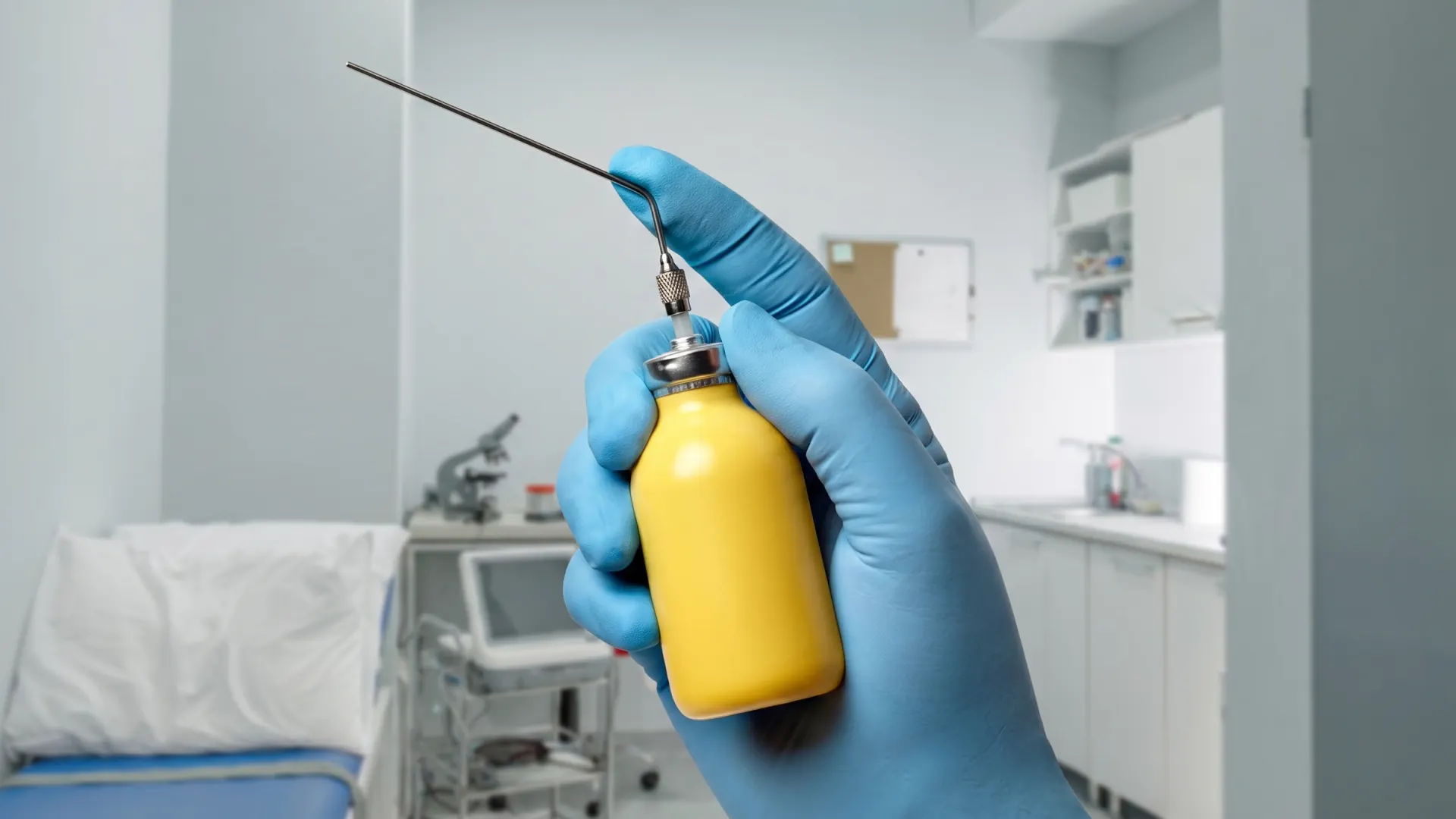
Does a No-Needle Vasectomy Hurt? What the Jet-Spray Anaesthetic Feels Like
What a no-needle vasectomy really feels like, stage by stage: the jet-spray anaesthetic, the procedure itself, recovery, and when to get advice.

Preputioplasty vs Circumcision: Which Procedure Is Right for You?
A clear, evidence-led UK guide to preputioplasty vs circumcision for a tight foreskin: how they differ, what suits which situation, BXO, recovery, cost and choosing a surgeon.

Frenuloplasty vs Frenulectomy: What’s the Difference and Which Do You Need?
Frenuloplasty or frenulectomy for a tight frenulum? Learn the difference, recovery and costs, then speak to a UK specialist.

Circumcision Healing: What Normal Looks Like (And When to Worry)
A reassuring UK guide to circumcision healing, week by week, for babies and adults. Learn what is normal, the warning signs, and when to call us.

How Much Does Circumcision Cost in the UK? A Complete Price Guide
A clear UK price guide to circumcision costs by age, what affects the price and what is included. See typical ranges and book a consultation.

How to Sleep After Circumcision (Adult and Newborn Recovery Guide)
Practical tips on sleeping positions, comfort and what to expect after circumcision (adult and newborn). Reviewed by a UK doctor.

What Does an Infected Circumcision Look Like?
See the signs of an infected circumcision, how it differs from normal healing, and when to get help. Speak to our Birmingham clinic.

Tight Foreskin: Causes, Treatments and When to Get Help
Many men take years to do anything about a tight foreskin, for reasons that are easy to understand. It is an awkward subject, and it is tempting to hope it

Islamic Circumcision (Khitan) in the UK: A Guide for Muslim Families
A complete guide to Islamic circumcision (Khitan) for Muslim families in the UK, covering religious significance, the right age, what to expect and how to book safe, doctor-led care.

Phimosis: Symptoms, Causes, Stages and Treatment Options (UK guide)
Phimosis is a condition where the foreskin is too tight to be retracted over the head of the penis. In adults, it can cause pain during sex, difficulty urinating and

NHS vs Private Vasectomy in the UK: What Is the Difference and Which Is Right for You?
The NHS does fund vasectomies in most areas of England, but waiting times vary significantly by region, ranging from a few months to well over a year. Private vasectomy in

Does Vasectomy Affect Testosterone or Sex Drive? The Evidence Explained
No, a vasectomy does not affect testosterone levels or sex drive. The procedure cuts the vas deferens but leaves the testicles completely intact. Testosterone is produced in the testicles and

Sex After Adult Circumcision: When Is It Safe and What to Expect
Most UK clinical guidelines recommend waiting at least 4 to 6 weeks before having sex after adult circumcision. The World Health Organisation recommends 42 days to allow full wound healing.

Adult Circumcision Recovery: A Week-by-Week Timeline
Adult circumcision recovery takes 4 to 6 weeks for full healing, per NHS guidance. Swelling and bruising settle within 1 to 2 weeks. Dissolvable stitches fall away within 2 to

Is a Vasectomy Reversible? Success Rates, Timing, and What to Expect
Yes, a vasectomy is reversible. The procedure, called a vasectomy reversal, reconnects the vas deferens to allow sperm back into the semen. Success rates depend mainly on how long ago

Vasectomy Failure: How Common Is It and What Causes It?
Yes, vasectomy can fail, but it is rare. There are two types of failure: early failure, where sperm persists in the semen in the months after the procedure, and late

Vasectomy Recovery Guide: How We Help You Heal Smoothly
Recovery from a vasectomy is usually straightforward, but the way your clinic supports you makes a big difference to how smooth and stress‑free the process feels. At Gentle Procedures, we

Best Vasectomy Clinics in Birmingham: Why Men Choose Us
Men in Birmingham have a range of options for vasectomy, from large hospital centres to smaller private clinics, but not all services are built the same way or use the

Baby, Child and Adult Circumcision Costs in Birmingham Explained
Circumcision prices in Birmingham clinics vary widely, but most families will see a clear pattern: younger babies are usually at the lower end of the price range, older children and

Private Adult Circumcision Cost in Birmingham and West Midlands: A Guide from Gentle Procedures UK
Private adult circumcision costs in and around Birmingham are shaped by several factors: the type of clinic you choose (hospital-based vs dedicated circumcision centre), the technique used, the anaesthetic, and

Accredited Infant Circumcision Clinic in Solihull, Birmingham
Gentle Procedures Birmingham is a dedicated circumcision clinic serving families across Birmingham and the West Midlands, offering infant circumcision in a modern, accredited medical setting with specialist doctors and comprehensive

Understanding No‑Scalpel Vasectomy and Its Growing Popularity Among Men

Adult – Before Circumcision Guide

What Does a Bad Circumcision Look Like?
Most circumcisions heal normally, but complications can occasionally occur. Signs of a bad circumcision include worsening redness, swelling, pus, persistent bleeding, fever, cosmetic irregularities, or difficulty urinating. Recognising abnormal healing

Vasectomy Risks and Side Effects
Vasectomy is one of the safest minor surgical procedures, with most risks being mild and temporary. Modern no-scalpel techniques minimise complications, while long-term side effects are rare. Understanding possible risks,
Circumcision Alternatives
Circumcision is not the only solution for foreskin problems. Many non-surgical and foreskin-preserving surgical alternatives can effectively treat tightness, inflammation, or discomfort while maintaining natural anatomy. With proper assessment, personalised

Why Do People Get Circumcised?
Adult circumcision is chosen for medical, personal, cultural, or psychological reasons, including foreskin conditions, hygiene concerns, and body confidence. The procedure is safe when performed by trained clinicians, with a

Circumcised vs Uncircumcised
Circumcised and uncircumcised men are both medically normal, with low risks of serious health issues. Evidence shows minimal differences in hygiene, infection risk, or sexual function when proper care is

Understanding the Cultural Significance of Circumcision
Circumcision is a practice shaped by cultural, religious, and medical traditions worldwide. From ancient origins to modern healthcare debates, it plays varied roles across societies. Understanding its history, benefits, risks,

Why Choose Gentle Procedures Birmingham As Your Trusted Circumcision Clinic For All Ages
If you are seeking a specialist circumcision clinic in Birmingham, UK, you are at the right place. Gentle Procedures Birmingham is dedicated to providing safe, advanced, and comfortable circumcision for

Circumcision Methods Available in The UK and Which One is The Best?
Several circumcision techniques are used in the UK, each offering different benefits for safety, healing time, and cosmetic outcome. From the Pollock and Mogen methods to sleeve and forceps-guided techniques,

Newborn Circumcision: A risk-benefit analysis revisited
A Canadian Journal of Urology review challenges long-standing opposition to infant circumcision, arguing that updated scientific evidence shows substantial lifelong health benefits with low risk. The authors state that early

Why Circumcision Rates are Rising, According to The Mayo Clinic
A circumcision risk-benefit analysis shows that neonatal circumcision’s health benefits outweigh its risks by at least 100 to 1. Evidence suggests reduced lifetime infection risk, cost-effective disease prevention, and no

Where Does Sperm Go After a Vasectomy?
After a vasectomy, sperm production continues normally, but sperm can no longer travel through the vas deferens. Instead, sperm is naturally absorbed by the body without pain or health impact.

Infant Circumcision Benefits, Treatment & Recovery
Newborn circumcision is ideally performed within the first two weeks of life, when babies heal faster and experience minimal discomfort. With proper pain management and gentle techniques, the procedure is

What To Consider Before Having a Vasectomy
A vasectomy is a safe, highly effective form of permanent male contraception with a success rate over 99%. It does not affect sexual performance, but sterility is not immediate and

Sex After a Vasectomy: What You Need to Know
Sex after a vasectomy is typically safe, comfortable, and unchanged once healing is complete. The procedure does not affect sex drive, erections, or pleasure. Temporary soreness may occur early, and

Tips on Caring for Your Son’s Circumcision
Proper aftercare is essential for a smooth recovery after infant circumcision. Keeping the area clean, protected, and dry helps prevent infection and discomfort. Monitoring healing closely during the first 24

What to Expect Before, During & After a Penile Frenulectomy
Penile frenulectomy is a minor surgical procedure that relieves pain caused by a tight frenulum by restoring normal skin movement. Performed under local anaesthetic, it offers a safe, permanent solution

Vasectomy Recovery is Important and Easy
Recovery after a no-scalpel vasectomy is usually quick and straightforward when proper aftercare is followed. Mild swelling or discomfort is normal in the first few days, with most men returning
Why More Childless Men Are Choosing Vasectomies
An increasing number of childless men are choosing vasectomy as a permanent form of contraception. Driven by economic pressures, environmental concerns, lifestyle preferences, and shared contraceptive responsibility, this growing trend

Everything You Need to Know About Modern Vasectomy Procedures
Modern vasectomy is a safe, quick, and highly effective form of permanent birth control. Using no-scalpel and no-needle techniques, the procedure is virtually painless, requires minimal recovery, and allows men

How Long Does Circumcision Take to Heal? Our Clinic Explains
Infant circumcision healing is typically quick and uncomplicated, with most babies fully healed within 7–10 days. Mild redness or swelling is normal early on and resolves with proper aftercare. Gentle

Vasectomy: How It Works and What to Expect
A no-scalpel vasectomy is a safe, modern, and permanent form of male contraception. Using no incisions and no-needle anaesthesia, the procedure is quick, virtually painless, and highly effective, with minimal
Instructions Before Your Vasectomy at Gentle Procedures UK

Should You Circumcise Your Newborn?
“Deciding whether to circumcise your newborn is a personal choice for parents. This guide addresses common questions about infant circumcision, helping families understand the reasons, benefits, and considerations involved. With

Circumcision in the UK with the Pollock Technique™
At Gentle Procedures UK, infant circumcision is performed using the Pollock Technique™, prioritising comfort and safety. A combination of paracetamol, local anaesthetic, sugar pacifiers, and soothing music helps minimise discomfort.

Experience the Confidence of Our Advanced No-Scalpel Vasectomy
A no-scalpel vasectomy is a safe, minimally invasive procedure offering permanent male contraception with faster healing and minimal discomfort. Performed under local anaesthetic, it requires no stitches and allows most








We use cookies and similar technologies to enhance your browsing experience and analyse website traffic. By consenting, you allow us to collect data such as device details and browsing behaviour, helping us improve how our site functions. You can withdraw or manage your consent at any time, but some features may not work properly without it.