
A tight foreskin can cause discomfort and make pulling the foreskin back difficult. It can make hygiene tricky, cause pain during intercourse or erections, and lead to repeated irritation or infections. For some men, it develops gradually. For others, the foreskin pulled back normally before and then became tighter.
There are several possible causes and, importantly, several possible treatments. At Gentle Procedures, the first step is not booking a procedure. It is a private consultation with one of our doctors. We will examine the area, find out what is causing the tightness and talk you through the options that may suit you.
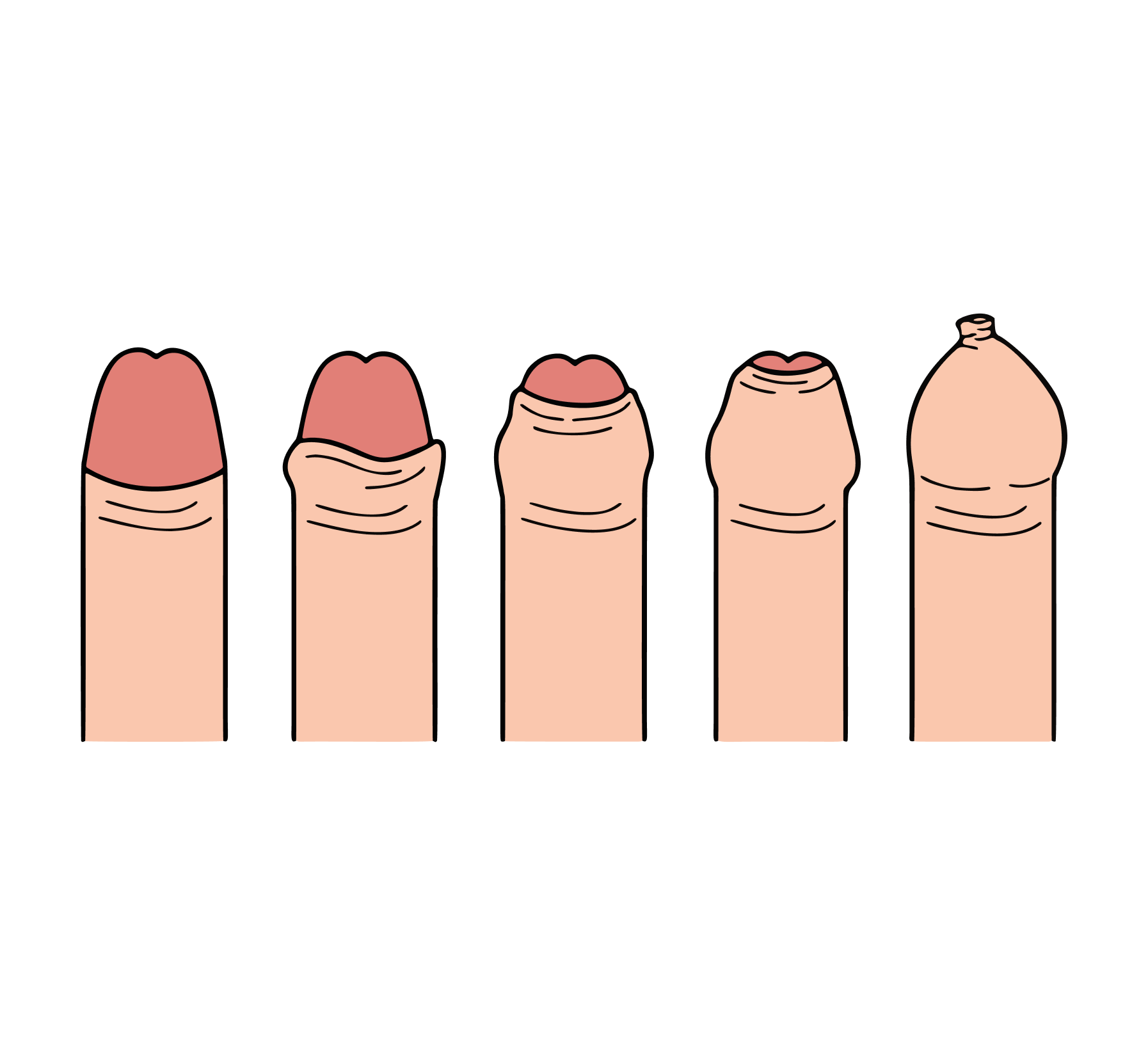
Phimosis means the foreskin cannot be pulled back comfortably over the head of the penis, which doctors call the glans. Some men can pull it back only partially, while others can't pull it back at all.
In babies and young boys
A foreskin that will not pull back is normal in babies and young boys. It usually cannot be retracted before the age of 2 years. It separates from the glans gradually as a boy grows, so treatment is not automatically needed. Doctors call this physiological phimosis.
In teenagers and adults
Tightness that lasts, or that develops later, is worth having assessed. This matters most when there is pain, scarring, infection, or difficulty passing urine. Doctors call this pathological phimosis. It is caused by a change in the tissue, often through scarring, infection or a skin condition, rather than by normal growth. A doctor can tell the difference on examination.
Each time the head of the penis becomes sore and swollen, the skin at the opening can heal with a little scar tissue. Scar tissue doesn't stretch, so the foreskin slowly gets tighter.
Forcing a tight foreskin back can cause tiny tears. As they heal, they can leave scars, which make the tightness worse. Never force it.
High blood sugar makes infections of the foreskin more likely. If you keep getting them, a blood test can check for diabetes.
Lichen sclerosus, often called BXO, is a skin condition that can leave the foreskin pale, hard and less flexible. Creams and stretching often work less well when it is present. This is one reason we examine the foreskin first.
Eczema, psoriasis and lichen planus can cause inflamed skin. Over time, this can lead to scarring and tightness.
In young boys, a tight foreskin is usually part of normal development. It separates on its own as he grows, so it does not usually need treatment.
Phimosis does not look or feel the same for every man. You may recognise some of these:
Your appointment is private, discreet and unhurried. One of our doctors will talk to you about your symptoms and medical history before carrying out a short examination.
In many cases, we can explain what is causing the tightness during that first appointment and talk you through the treatment options available. If further investigation is appropriate, your doctor will explain this too. Repeated infections or possible diabetes, for example, may call for a swab or a blood test. We won't book any procedures until we have found the problem and discussed the appropriate options with you.

Treatment for phimosis depends on your symptoms and what is causing the tightness. The right approach depends on what is causing the tightness, how severe your symptoms are, whether there is scarring and whether keeping your foreskin matters to you.
If it's clinically appropriate, a doctor may prescribe a steroid cream to use alongside gentle stretching. It suits some causes of tightness and not others, which is why examination comes first.
Preputioplasty widens a tight foreskin without removing it. It is a foreskin-preserving option when it's clinically suitable.
Circumcision removes the foreskin and may be appropriate in certain cases, such as when there's significant scarring or when other treatments have not worked.
Private. Discreet. Doctor-Led.
We understand that intimate conditions can be difficult to talk about. Our doctors regularly assess penile and foreskin conditions, and consultations take place privately and discreetly in our CQC-registered Birmingham clinic. You will have time to explain what has been happening, ask questions and understand your options. You will not be rushed or pressured into a procedure.

Not always. Phimosis means the foreskin can't be pulled back comfortably over the head of the penis, but other things can also make it feel tight. A short frenulum, the band of skin under the head, is one example and swelling from infection is another. A doctor needs to examine you to tell which applies.
In young boys, often yes. The foreskin usually separates naturally as a boy grows, so it usually doesn't need treatment. In teenagers and adults, tightness that has lasted a long time, or that comes with scarring or pain, is less likely to resolve on its own. It is worth having it assessed.
Often, yes. The usual first approach is a prescribed steroid cream alongside gentle stretching, typically over 4 to 8 weeks. Creams work less well when scarring is the cause, such as from lichen sclerosus, so a doctor will examine you before recommending any treatment.
A foreskin that used to pull back and has become tight usually has an underlying cause. Common ones include repeated infection or inflammation, a skin condition such as lichen sclerosus, scarring from forcing the foreskin back, and diabetes. A doctor can examine you to find out why it's happening.
Yes. A tight foreskin can be painful or even split during erections and sex. Repeated tearing can cause scarring that makes the foreskin even tighter. This is a good reason to see a doctor.
See a doctor if the tightness is painful, worsening, causing repeated infections, or affecting sex or urination. The same applies if you notice a pale or hardened ring of skin. If the foreskin is stuck behind the head of the penis and swollen, go to A&E.
No. Circumcision is one option, but not the only one. Depending on the cause, a doctor may suggest a steroid cream with stretching, or preputioplasty, which widens the foreskin without removing it. Circumcision may be appropriate in certain cases.








We use cookies and similar technologies to enhance your browsing experience and analyse website traffic. By consenting, you allow us to collect data such as device details and browsing behaviour, helping us improve how our site functions. You can withdraw or manage your consent at any time, but some features may not work properly without it.