
A full body health check-up is a proactive approach to preventive care, helping detect hidden health risks early, establish clear diagnostic baselines, reduce long-term medical costs, and support informed lifestyle and treatment decisions—often before any symptoms appear.


A proactive approach to well-being starts with awareness, and a full body health check-up is one of the smartest ways to take charge of your health. Preventive care protects your future and helps you live with confidence, clarity, and better choices.
A full body health check is not just a medical formality. It is a roadmap that identifies invisible risks, supports prevention, and keeps you informed. The aim is greater health literacy, so you can better understand your body and act early if needed.
This article explains the value of comprehensive health checks and why they matter before symptoms appear. You will also learn the science behind comprehensive diagnostics, key health benefits, recommended tests, cost advantages, and when to seek specialist support.
Why Full Body Health Checks Matter
Healthcare strongly emphasises early risk identification and preventive intervention. Organisations like the NHS promote structured screening pathways for cardiovascular, metabolic, and cancer-related disease risks. A full body check-up identifies potential health hazards long before they escalate into emergencies.
Heart disease and diabetes remain the leading causes of hospital-based complications. Checks lead to early medical triage rather than delayed response. Many patients feel healthy until late clinical markers reveal otherwise. MOT-style preventive checks aim simply to provide evidence-based clarity.
The term ‘health MOT UK’ has gained popularity because patients want structured verification of internal body function. It is a systematic evaluation that supports preventive medicine.
Key Benefits of Full Body Health Check
1. Early Disease Detection → Better Clinical Control
A full body health check-up enables early disease detection even when symptoms are absent. Malignancy, neuropathy, arterial stiffness, insulin resistance, and silent organ deterioration are common invisible progressions. Tests act as a diagnostic safety net.
Medical literature from The Lancet UK, CQC Health Insights, and NICE guidelines confirms that early identification of biomarker abnormalities significantly improves treatment outcomes by enabling clinical intervention before the crisis point. A full-body examination increases diagnostic precision.
Screening that includes a body check can help map biochemical and physiological health risk clusters early. Many cancers remain minimally symptomatic in early progression. Without screening, detection may occur only at the point of functional distress.
2. Illness Prevention by Biomarker-driven Decisions
The benefits of a health check-up include detecting early signals of inflammatory stress, oxidative damage, hormonal imbalance, or metabolic slowdown. Once identified, it becomes easier to correct. Lifestyle disorders often develop through silent systemic inflammation long before functional symptoms appear. Proactive health metrics signal prevention early.
3. Clear Baseline for Accurate Long-term Tracking
Baseline establishment is one of the strongest clinical advantages of health screening. It allows trend comparison rather than single-point observation. A biomarker baseline helps your doctor understand what is normal for you, not just what is normal on a general chart.
4. Reduced Long-term Medical Costs
Emergency NHS costs increase steeply when the disease presents late. A full health check-up dramatically reduces long-term dependency on emergency intervention. Medical emergencies cost both financially and emotionally. Preventive care protects both your well-being and your savings.
5. Peace of Mind Through Evidence → Less Health Anxiety
Patients often imagine worst-case scenarios when physical signals feel unfamiliar. Medical reassurance reduces stress. A confident patient is one who understands their diagnostic reality, rather than fearing the unknown.
6. Faster Care Plans → Improved Treatment Outcomes
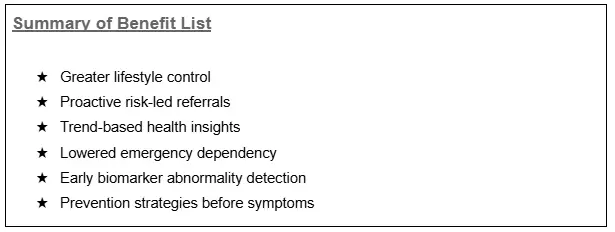
Early biomarker abnormality alerts allow swift specialist referrals when clinical thresholds are crossed. Clinical speed is strongest when the first diagnostic signal is never ignored.
Regular screenings such as a comprehensive health assessment can highlight hidden risks and support more informed health decisions.
- Get Medical Weight Support
Ready for Doctor‑Led Weight Loss with Mounjaro?
Book a consultation at Gentle Procedures to see if Mounjaro (tirzepatide) is right for you, with specialist monitoring, lifestyle coaching, and full‑body health assessments to help turn weekly injections into safe, sustainable weight loss.
What a Full Body Health Assessment Can Detect Early
Many patients refer to a full body health assessment as a full body MOT because it implies internal performance checking. In medicine, this means checks for organ risk flags rather than vehicle analogies.
Actual clinical detection includes:
1. Cardiovascular Risk Cluster
- High LDL cholesterol
- Early arterial stiffness
- Elevated blood pressure
- Left-ventricular strain patterns
2. Metabolic and Endocrine Markers
- Insulin resistance signals
- Thyroid dysfunction panels
- Pre-diabetic glucose imbalance
- Vitamin-hormone interaction imbalance
3. Cancer Biomarker Surveillance
- PSA trends (for prostate risk)
- CA-125 (ovarian surveillance)
- CEA and AFP (digestive-cancer-risk insights)
- Peripheral inflammatory markers that may correlate with the risk of malignancy onset risk
4. Neurological Red-Flag Markers
- Peripheral neuropathy
- Early signals of neuronal inflammation
- Vitamin B-12 depletion patterns impacting nerves
5. Organ Function Tests
- Renal strain thresholds
- Fatty liver stress cluster
- Pulmonary threshold stress
Full-Body Test Recommendations
1. Heart and Circulation
- Lipid profile
- BP measurement
- ECG stress rhythm panel
- Haemoglobin and oxygen levels
2. Metabolic and Genetic Risk Clusters
- Full glucose panel
- Thyroid function tests
- Kidney and liver panels
- CRP and ESR for inflammation
3. Neurological and Hormone-linked Trace Panels
- Vitamin B-12 / D / Iron
- Cortisol-linked stress mapping
- Testosterone-linked hormonal baseline markers
4. Blood and Biomarker Precision Mapping
- Vitamin B-12 / D / Iron
- Cortisol-linked stress mapping
- Testosterone-linked hormonal baseline markers
How Health Monitoring Leads to Life-Changing Prevention
Awareness without action is incomplete. Screening results inform changes. What needs changing doesn’t require reinvention; it only requires course correction. An early biomarker control enables:
- Better sleep cycles
- Targeted fitness routines
- Stress hormone balancing
- Personalised nutrition choices
Emotional and Practical Value of Diagnostics
Health stress can drain emotional energy. Awareness restores control. Preventive care removes the paralysis of uncertainty. Diagnostics are not fear-driven; they are clarity-driven.
Who Should Consider a Health Check-up Soon?
Patients who benefit most are those who want prevention rather than cure:
- Sedentary work cycles
- Chronic stress patterns
- Early hormonal stress cluster
- Family history of heart disease
- Smoking or alcohol history trends
A full body health check-up protects your future by identifying early risks, preventing lifestyle disorders, establishing baselines, and offering cost advantages that help you avoid emergency-related stress. This is not only about diagnosing illness. It is about diagnosing RISK first. Your body talks long before it shouts. Make it a habit to listen early. Learn more about Gentle Procedures screening support or book your full health check today to act before symptoms surface.