

Circumcision is a practice shaped by cultural, religious, and medical traditions worldwide. From ancient origins to modern healthcare debates, it plays varied roles across societies. Understanding its history, benefits, risks, and ethical considerations helps parents and adults make informed, respectful decisions aligned with personal values and beliefs.


Circumcision is a practice with deep cultural roots. It involves removing the foreskin from the penis. This procedure is performed for various reasons. These include religious, cultural, and medical motivations. Infant circumcision is common in many traditions. It is often performed shortly after birth. Adult circumcision is also practised. It may be done for medical reasons or personal choice.
The history of circumcision spans thousands of years. Evidence of its practice exists in ancient Egypt. In Judaism, it symbolises a covenant with God. In Islam, it is a rite of purification. Some cultures view circumcision as a rite of passage. Others see it as a medical necessity. Understanding circumcision’s cultural significance fosters respect. It encourages tolerance for diverse practices.
This article examines circumcision’s ancient origins and its diverse cultural, religious, and medical roles, from infancy to adulthood across regions and faiths. It outlines potential health benefits and risks, engages with ethical debates about consent and autonomy, and tracks changing global attitudes. Practical guidance supports informed decisions, emphasising respect for differing traditions and personal values.
What Is Circumcision? An Overview
Circumcision is a common surgical procedure. It involves the removal of the foreskin covering the tip of the penis. This practice serves multiple purposes. Its applications span across cultural, religious, and health domains. The procedure varies depending on age. Infant circumcision is usually simpler compared to adult circumcision. Key reasons for circumcision include:
- Religious traditions
- Cultural practices
- Medical advice
Infant circumcision often happens in hospitals. Trained professionals perform it safely and efficiently.

Adult circumcision may be elective or medically necessary. Some seek it for hygiene or personal reasons.
The decision to circumcise is personal. It often involves weighing cultural, medical, and ethical factors.
Understanding circumcision’s roles helps in informed decision-making. Diverse practices contribute to a rich cultural tapestry.
Historical Roots of Circumcision
Circumcision dates back thousands of years. Its origins trace to ancient Egypt, where it had significant cultural importance. The practice spread through Africa and the Middle East. Various societies adopted it for diverse reasons over time.
In ancient texts, circumcision is documented as a rite. It marked transitions in life stages, signifying growth or purity. Many cultures incorporated circumcision into their traditions. It was both a religious symbol and a social norm. Historical records indicate its longstanding presence. It featured prominently in customs and ceremonies across ancient civilisations. Today, its historical roots remain influential. They continue to shape perspectives and practices worldwide.
Key Historical Points:
- Evidence of circumcision in ancient Egypt
- Spread through African and Middle Eastern societies
- Utilised in rites of passage and purification rituals
- Symbolised maturity and societal integration
- Incorporated into various religious and cultural traditions
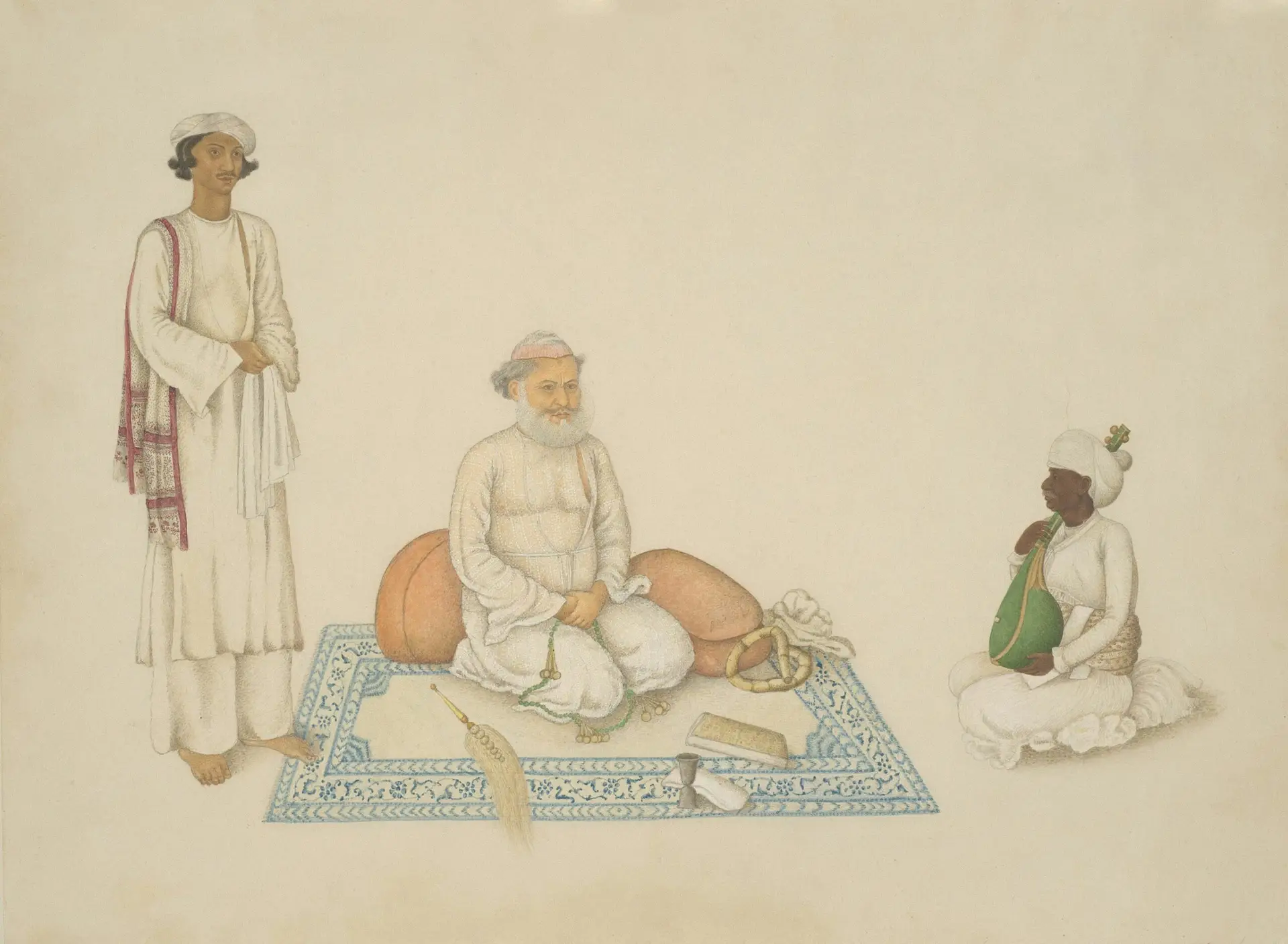
Understanding these roots enhances cultural appreciation. Circumcision’s history is as diverse and complex as the societies it touched.
Religious and Spiritual Significance
Circumcision holds deep religious and spiritual importance. Many faiths integrate it into their beliefs and rituals. It serves as a covenant or spiritual bond in several religions. This act is more than a medical procedure; it reflects faith. Religious texts often guide the practice. They provide scripts and rituals for its significance in spiritual life. Different religions have unique perspectives and customs. Despite variance, the common thread is its religious symbolism.
In many faiths, the ritual is viewed as a form of bodily purification for worship and personal discipline.
Communities find identity and belonging through circumcision. It connects believers to their ancestors’ traditions. The spiritual dimension elevates its role in society. Circumcision is seen as an act of purification or commitment. Many view it as a sacred duty. It represents adherence to religious laws and cultural continuity.
Religious Significance by Tradition:
- Judaism: A covenant between God and Abraham.
- Islam: A purification rite, highly recommended.
- Christianity: Symbolic in early sects, less common now.
- Other beliefs: Rites of passage and symbolic purity.
Understanding these spiritual nuances fosters tolerance. It highlights the profound role circumcision plays in various faiths.
Circumcision in Judaism
Judaism places significant emphasis on circumcision. Known as “Brit Milah,” it occurs on the eighth day after birth. This ritual marks the covenant between God and the Jewish people. It’s a rite of passage and a deeply held tradition. Rabbinic texts elaborate on its importance. They detail the procedures and spiritual dimensions of the act. Families gather for this joyful and solemn event. It’s both a religious duty and a cultural celebration that unites the community.
Circumcision in Islam
In Islam, circumcision is viewed as an act of cleanliness. Although not mandatory, it’s highly encouraged for Muslim males. It’s seen as following the example of Prophet Ibrahim. The practice is termed “Khitan” within the Islamic tradition. Circumcision typically occurs during childhood. It symbolises entry into the faith and adherence to religious tenets. Muslims globally practice circumcision with cultural variations. It serves as both a religious tradition and a personal choice.
Other Religious and Spiritual Traditions
Many cultures incorporate circumcision into spiritual rites. These practices reflect a variety of beliefs and customs. In some African tribes, it’s a passage to manhood. Others view it as a mark of spiritual purity and readiness. Circumcision’s religious roles vary globally. It remains a significant ritual in several lesser-known faiths.
Traditions in Various Cultures:
- African Tribes: Rite of passage into adulthood.
- Indigenous Beliefs: Symbol of purity and readiness.
- New Religious Movements: Adapted as spiritual practices.
This diversity underscores circumcision’s broad spiritual appeal. Each tradition enriches its cultural tapestry.
Cultural Practices Around the World
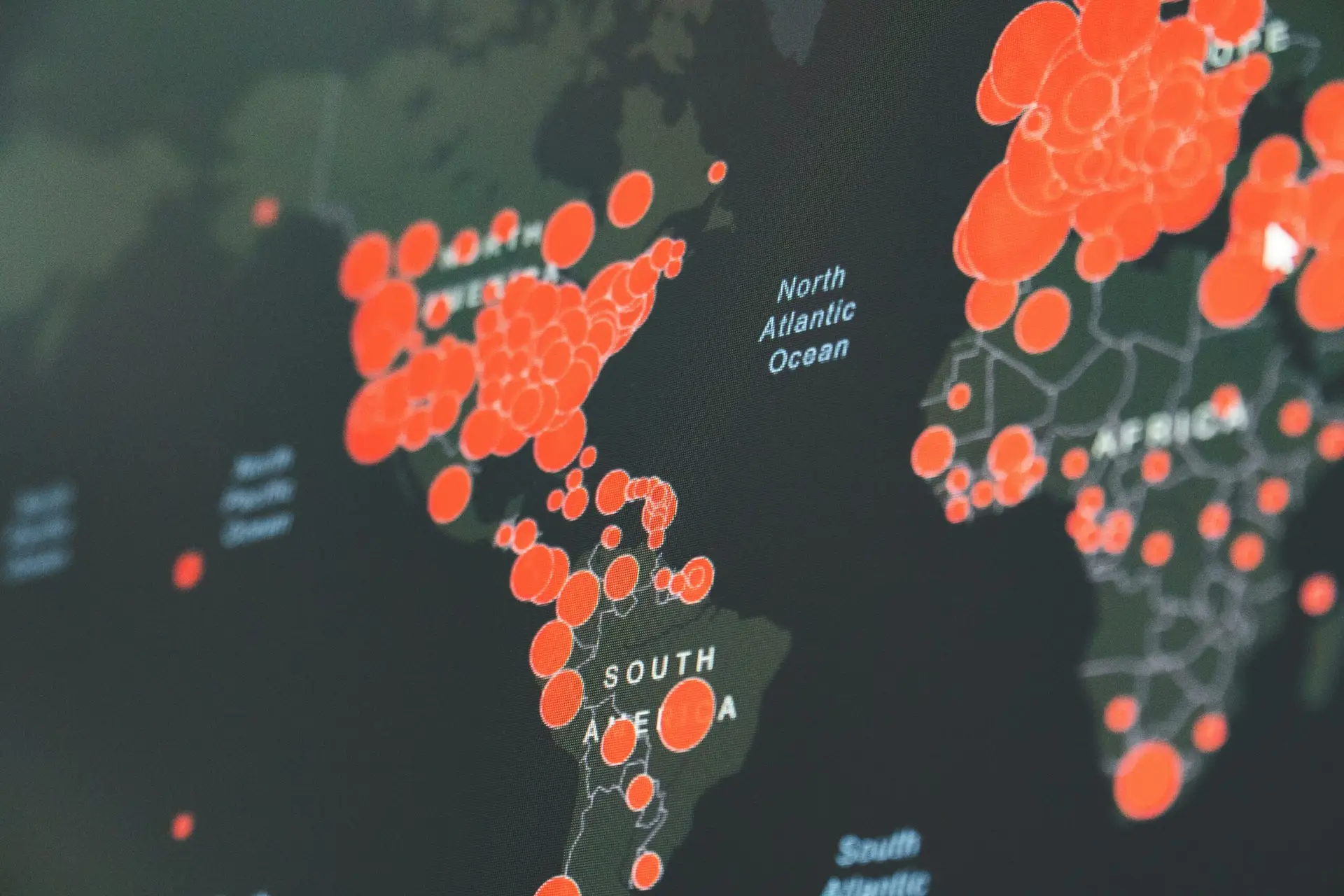
Circumcision’s significance stretches across continents, influenced by culture and tradition. Each region’s practice reflects its unique history and values. In Africa, circumcision often signifies initiation into adulthood. It represents responsibility and societal roles.
Many indigenous groups incorporate circumcision as a rite of passage. It symbolises transition and personal growth. In the Middle East, circumcision is both a cultural and religious practice. It’s intertwined with daily life and ancestral customs. In Asia, cultural practices vary. In some cultures, circumcision is done early; in others, during adolescence. Western countries often focus on medical and aesthetic aspects. Practices are evolving with changing societal norms. In Latin America, views on circumcision differ. While less common, it’s performed for hygiene and personal preferences. Circumcision practices showcase a diverse cultural tapestry. They highlight how traditions adapt and persist across generations.
- Respecting Your Traditions
Want Circumcision That Honours Your Cultural or Religious Beliefs?
If you are choosing circumcision for cultural, religious, or family reasons, Gentle Procedures offers specialist circumcision for babies, children, and adults in a calm, private clinic that respects your background. Book now with our experienced team for clear support before, during, and after the procedure.
African and Indigenous Traditions
African and indigenous traditions embrace circumcision as a pivotal ceremony. It plays a major role in community identity. In many tribes, young males undergo circumcision as part of initiation rites. These ceremonies mark the transition from boyhood to manhood. These practices are more than physical acts. They come with teachings about responsibility and adulthood. Circumcision also includes communal participation. Elders, family, and peers witness the celebration.
Traditions include:
- Passage to Manhood: Celebrating new social roles.
- Cultural Identity: Reinforcing community ties.
- Elders’ Guidance: Passing down wisdom and teachings.
Despite modernisation, these traditions hold firm. They embody cultural continuity and societal values.
Western and Modern Societies
In Western and modern contexts, circumcision practices vary widely. Medical, cultural, and personal factors influence these practices. In the United States, circumcision was once routine. It was believed to provide hygiene and health benefits. European countries have lower circumcision rates. There’s a focus on bodily autonomy and informed choice. Growing awareness of ethical debates shapes attitudes. The emphasis is on parental guidance and individual rights.
Popular motivations include:
- Health Reasons: Reducing the risk of certain infections.
- Family Tradition: Continuing cultural customs.
- Personal Choice: Adults seeking it for personal reasons.
Societal attitudes are shifting. Discussions about ethics and autonomy continue to shape contemporary views on circumcision.
Medical Perspectives on Circumcision
Medical perspectives on circumcision vary globally. They encompass both potential benefits and risks. Circumcision is sometimes recommended for hygiene and health. It can reduce the risk of urinary tract infections in infants and penile cancer in adults. Some studies suggest a lower risk of sexually transmitted infections, including HIV. These potential benefits are often discussed in medical circles.
Controversies also exist. Some argue the medical benefits don’t justify routine infant circumcision. Risks include bleeding, infection, and pain. Though rare, serious complications can occur. The American Academy of Paediatrics acknowledges some health benefits. However, they emphasise informed parental choice regarding infant circumcision.
Healthcare providers should inform about:
- Benefits: Potentially lower infection risks.
- Risks: Possible complications, such as infection.
- Anaesthesia: Use of local or general anaesthesia.
Balancing medical advice with cultural and personal factors is essential. It ensures informed decision-making.

Infant Circumcision: Procedures and Considerations
Infant circumcision requires careful planning. It’s typically performed within the first few days of life. The procedure involves removing the foreskin. It is often done using a clamp or surgical scissors. Pain management is crucial. Local anaesthesia is commonly used to minimise discomfort. Parents should discuss the procedure’s pros and cons with a paediatrician. Understanding all aspects is vital for an informed choice.
Common considerations include:
- Anaesthesia: Choosing appropriate pain management methods.
- Recovery: Infants usually heal quickly, often within a week.
- Parental Guidance: Importance of hygiene and aftercare instructions.
Doctors should ensure parents understand possible outcomes. This empowers them to make decisions aligned with their beliefs and family traditions.

Adult Circumcision: Procedures and Considerations
Adult circumcision requires different considerations. The procedure is performed under local or general anaesthesia. Recovery can be more involved than in infants. Adults need to manage post-operative care diligently. Reasons for adult circumcision vary. Some seek it for medical issues, like phimosis, while others choose it for personal reasons. Before the procedure, consultation with a healthcare provider is crucial. They provide insights into risks and benefits.
Important aspects to consider include:
- Anaesthesia: Choosing between local and general options.
- Recovery Time: Adults may take longer to heal.
- Potential Benefits: Addressing medical conditions or personal preferences.
Medical advice and personal preferences both matter. They guide individuals toward making informed decisions about circumcision.

Benefits and Risks of Circumcision
Circumcision has long been associated with health benefits. However, it also presents certain risks that need consideration. One major benefit is reduced risk of urinary tract infections in infants. This can be significant since such infections can lead to more serious problems. Circumcision may also lower the risk of some sexually transmitted infections, including HIV. This has led to its recommendation in some high-risk areas. Another potential benefit is a decreased risk of penile cancer. Though rare, this form of cancer is even rarer among circumcised men. On the flip side, there are risks involved. As with any surgical procedure, circumcision can lead to complications.
Common benefits include:
- Lower likelihood of urinary infections.
- Potentially reduced risk of STIs and penile cancer.
- Possible hygiene advantages.
However, the risks range from mild to severe. Some infants and adults face complications like bleeding or infection.
Possible risks include:
- Pain despite anaesthesia.
- Bleeding or infection.
- Rare but serious surgical complications.
Parents and adults must weigh these factors carefully. Consulting healthcare providers helps in understanding the full spectrum of risks and benefits. Decision-making should incorporate not just medical data but also personal and cultural values. This balanced approach supports well-informed choices.

Ethical Debates and Controversies
Circumcision is a topic that sparks ethical debates worldwide. At the heart of this controversy is the question of consent. Infant circumcision raises concerns as babies cannot consent. Some argue it violates a child’s autonomy and rights. Opponents question the necessity of a procedure without an immediate medical need. They view it as an unnecessary intervention in an infant’s life.
Common ethical concerns include:
- Lack of informed consent from infants.
- Potential infringement on bodily rights.
- Perceived lack of medical necessity.
Supporters cite religious and cultural traditions as valid justifications. They believe these practices benefit future welfare. Medical professionals often find themselves navigating between respecting cultural norms and upholding medical ethics. This delicate balance underscores the complexity of the issue. Cultural significance adds further layers to the debate, making simple resolutions elusive. Ultimately, understanding all perspectives fosters respect and empathy in these debates.

Changing Attitudes and Global Trends
Attitudes toward circumcision have shifted significantly over recent years. Once prevalent in many Western countries, the practice now sees declining rates. Increased awareness of potential risks and ethical concerns influences public opinion. This change is evident in countries like the United States.
Reasons for changing attitudes include:
- Growing ethical considerations.
- Greater emphasis on bodily autonomy.
- Increased awareness of medical risks.
Conversely, some areas, particularly in Africa, have seen an uptick. Here, circumcision is part of public health initiatives for HIV prevention. These global trends reflect diverse cultural and medical landscapes. They highlight how perceptions of circumcision vary widely across regions. As societies continue to evolve, the practice remains a subject of debate. Understanding these trends can foster informed discussions and respectful coexistence.

Making an Informed Decision: Guidance for Parents and Adults
Deciding on circumcision is a deeply personal choice. Many factors influence this decision, ranging from cultural norms to individual beliefs. For parents, understanding the implications is crucial. Infant circumcision carries different considerations than adult circumcision, including timing and recovery.
You can read more about us and our commitment to providing culturally sensitive care for families of all backgrounds.
Key factors to consider:
- Medical advice from healthcare professionals.
- Cultural or religious expectations and obligations.
- Potential risks and benefits of the procedure.
Adults considering circumcision often weigh personal and health reasons. These may include hygiene, medical conditions, or social pressures. Gathering comprehensive information aids in making informed decisions. Both parents and adults should consult with knowledgeable professionals. Ultimately, respect for diverse perspectives and clear communication are vital. This fosters a supportive environment for whatever choice is made.

Conclusion: Embracing Diversity and Understanding
Circumcision remains a complex and multifaceted subject. Its cultural, religious, and medical dimensions shape practices worldwide. Understanding this diversity promotes mutual respect among individuals and communities. Whether driven by tradition, health, or personal choice, every decision holds significance. It’s crucial to approach this topic with openness and empathy. Recognising the deep-rooted values and beliefs involved can foster greater understanding and acceptance. Through informed dialogue and education, we can honour the rich tapestry of human culture surrounding circumcision.